
The appraisal can be a nerve-wracking step in the home buying process. Just because the buyer and seller settle on a price doesn’t mean the appraiser and lender will also agree. The results of the appraisal can affect the success of the sale, so you should understand what your appraiser is looking for when they evaluate your home.

How Appraisals Work
When a home buyer takes on a mortgage, the lender orders an appraisal to confirm that the property is worth at least as much as the buyer is borrowing. This ensures that the lender will be able to recoup their money if the homeowner sells or forecloses on the house.
An appraiser is a third-party professional who’s licensed or certified in your state to perform appraisals. They’re hired by the lender, and their fees are usually included in the buyer’s closing costs.
The appraiser will visit your home in person to evaluate the interior and exterior of the property. They’ll note the size, layout, condition, and a variety of other factors. Then, they’ll research similar houses in the area that have recently sold. With this information, they’ll assign a monetary value to the property.
What Appraisers Look For
If you’re selling your home, you might worry whether the property’s appraised value will match the sale price. While it’s impossible to know for sure until the appraiser’s report comes back, understanding what appraisers look for can help you determine if the sale price is fair.
Here are 10 of the most important factors appraisers consider when evaluating a home’s value:
1. Size
The square footage of the house and the size of the lot will both be major factors in the analysis. Your appraiser will compare your home to recently sold properties of a similar size.
2. Condition
The overall condition of your home will impact its appraised value. The appraiser will evaluate both the materials and the age of the roof, windows, floors, and other structures. While small cosmetic issues probably won’t impact your appraisal, a home that’s in serious disrepair with aging or failing materials will appraise for less than a home with brand new fixtures.
3. Bedrooms and Bathrooms
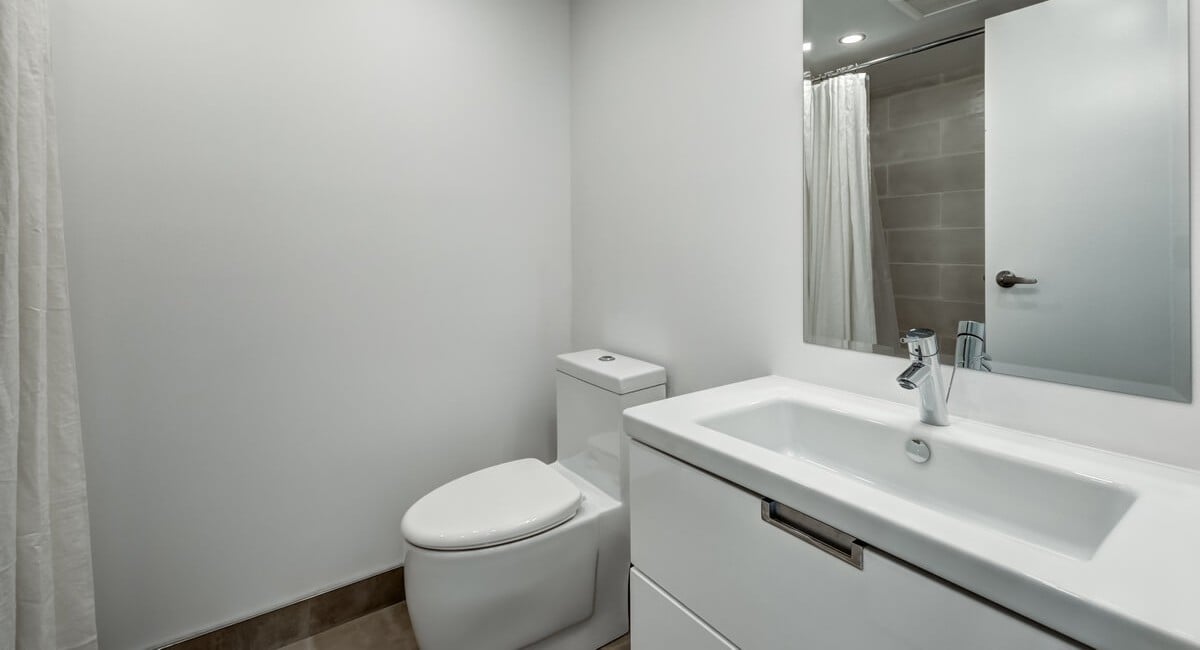
The layout of the house is just as important as its overall size and condition. Your appraiser will note the number of bedrooms and bathrooms and compare the property to similar homes. Typically, houses with more bedrooms and bathrooms have higher appraisals. Additionally, the appraiser will note if the home has a formal dining room, three-season porch, or other extra rooms.
4. Age
In most cases, older homes will appraise for less than newer homes due to aging systems and appliances, poor insulation, and other quality issues. However, in some areas, old homes offer a charm and character that’s highly appealing to buyers, which will also be reflected in the appraised value. Good maintenance can help older homes retain their value, too.
5. Appliances
While the age and quality of the appliances probably won’t make a massive difference in your home’s appraisal, they can affect the appraised value to some extent. An aging washing machine or broken dishwasher, for instance, could diminish your home’s value.
6. Foundation
An appraiser won’t examine your home’s foundation as thoroughly as an inspector will. However, if your appraiser notices any issues with the foundation, they’ll take these problems into consideration in their assessment. Foundation problems could include cracks in the walls or exterior stairs, sloping floors, or gaps around the windows and doors.

7. Water Damage
Like with foundation damage, your appraiser won’t investigate water damage to the extent that an inspector will. If your home has visible signs of water damage, though, you can expect this to be reflected in the appraisal. Fixing both the source of the water damage and the damage itself can be expensive, so this problem can significantly impact the market value of your home.
8. Garage
The presence of a garage can add at least $10,000 to the value of a home. In some areas, garages are in such high demand that the structure could add more than $30,000 to a home’s appraisal. The size and layout affect the appraisal, too. A two-car garage is worth more than a single-car garage, and attached garages typically add more value than detached garages.
9. Basement
Your appraiser will consider the size and condition of your basement when assessing your home. A finished basement can dramatically increase the amount of living space in a house, which will boost the property’s value. In most cases, though, even a finished basement will not be included in the home’s overall square footage. Bedrooms and bathrooms in a finished basement also may not be included in the appraisal’s room count.
10. Location
Location has an enormous impact on appraisals. The desirability of a neighborhood is directly connected to its market value, so two identical homes in different areas can have drastically different appraised values. The proximity to public transportation, schools, hospitals, and other community amenities plays a role in the assessment. When the appraiser researches comparable properties, they’ll only look at nearby homes so that they have an accurate understanding of the neighborhood’s market conditions.

How Upgrades Impact Appraisals
If you’ve undergone any home renovations, you might wonder if the work will be reflected in the appraisal. While the overall condition and quality of your house does impact its appraised value, some projects have a better return on investment than others.
Here are some of the most popular home improvement projects and how they usually affect appraisals:

Kitchen and Bathroom Upgrades
Kitchen and bathroom renovation projects tend to offer a good return. The age and condition of the appliances, plumbing, and electrical fixtures can impact the value of your home. Upgrading these features is likely to increase the house’s appraised value and market value.
Basement or Attic Renovations
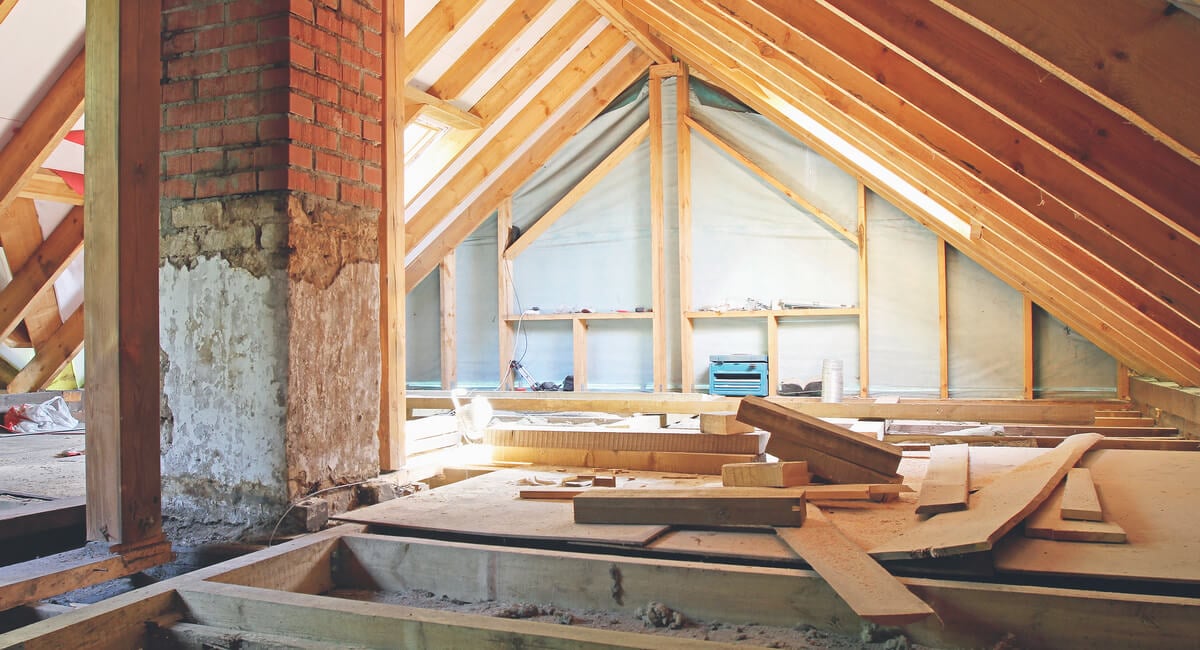
Finishing a basement or attic will increase the value of your home, but it may not offer as strong of a return on investment as homeowners expect. The square footage, bedrooms, and bathrooms in a finished basement or attic will not be counted in the house’s total living area.
Pools
A swimming pool may or may not impact your house’s appraisal. If most of the houses in the area have a pool, installing one will probably boost the home’s value. However, pools can be expensive to maintain, and in some areas, they’re viewed as more of an inconvenience than a perk.

Cosmetic Improvements
Cosmetic improvements like paint, cabinet hardware, or tile backsplash generally won’t improve your home’s appraised value. While buyers may be willing to pay more for these cosmetic fixes, they don’t impact the structural integrity or overall condition of the property.
The appraisal can be stressful for buyers and sellers alike. If the house appraises for less than the buyer’s offer, the home loan could fall through, leaving both the buyer and seller scrambling for a solution. The most important considerations for the appraiser are the home’s size, layout, location, and overall condition. When preparing your home for the market, you should consider the same factors so that you set a fair and accurate asking price.