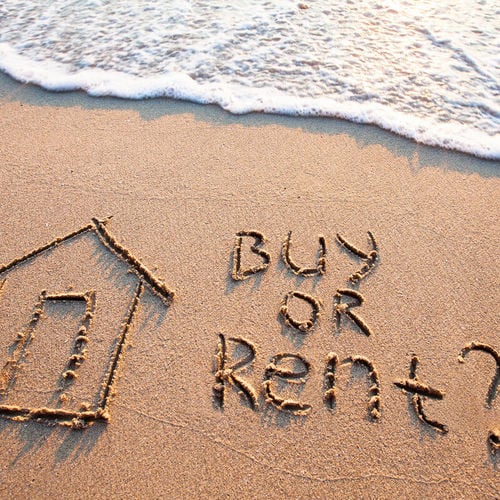
Is it better to rent or buy a home in South Florida? It’s one of the most common questions I receive, and after nearly 30 years in real estate, my answer is rarely the same for everyone.
Homeownership can be an excellent way to build long-term wealth, but renting can also be a financially intelligent decision. The right choice depends on your financial circumstances, lifestyle, long-term plans and the specific property you’re considering.
South Florida presents some unique considerations, particularly when it comes to condominium maintenance fees, property insurance, special assessments, property taxes and the cost of purchasing and maintaining real estate.
Whether you’re relocating to Miami, currently renting in Brickell, considering purchasing a condominium in Miami Beach or looking for a single-family home in Coral Gables or Pinecrest, understanding the complete financial picture can help you make a better decision.
Is It Cheaper to Rent or Buy in South Florida?
In certain South Florida markets, renting a property can cost considerably less per month than purchasing a comparable residence. In other situations, particularly when buyers have substantial down payments or negotiate favorable purchase prices, ownership may be more attractive.
The answer can vary significantly between neighborhoods, condominium buildings, property types and price ranges.
One of the biggest mistakes prospective buyers make is comparing monthly rent directly with a mortgage payment without accounting for the additional costs of ownership.
The True Monthly Cost of Owning a Home
Depending on the property, your monthly ownership expenses may include:
- Mortgage principal and interest
- Property taxes
- Homeowners or condominium unit insurance
- Flood insurance, where applicable
- Condominium or homeowners association fees
- Mortgage insurance, if required
- Maintenance and repair reserves
- Special assessments
- Utilities and services not included in association fees
Purchasing also involves upfront closing expenses and potential future selling costs.
For additional information, the Consumer Financial Protection Bureau provides an overview of mortgage and homeownership expenses.
Renting vs. Buying: A South Florida Example
Consider a hypothetical condominium available for rent at $3,000 per month or for purchase at $450,000.
Assuming a 20% down payment and a 30-year fixed-rate mortgage at an illustrative interest rate of 6.5%, the estimated ownership costs might look something like this:
| Monthly Expense | Estimated Cost |
|---|---|
| Mortgage Principal and Interest | $2,275 |
| Property Taxes | $550 |
| Condominium Association Fees | $800 |
| Unit Owner’s Insurance | $125 |
| Maintenance Reserve | $150 |
| Total Estimated Ownership Cost | $3,900 |
| Comparable Monthly Rent | $3,000 |
In this example, owning requires approximately $900 more in monthly cash flow, in addition to a $90,000 down payment and closing costs.
However, a portion of the mortgage payment reduces the outstanding loan balance and builds equity. The owner may also benefit from future appreciation, while remaining exposed to the possibility of declining property values.
The renter, meanwhile, retains the ability to save or invest the down payment and monthly difference elsewhere.
This example is for illustration only. The mortgage rate is hypothetical, not a current financing quote. Actual rents, property taxes, association fees, insurance and financing costs vary. Additional expenses, including utilities, potential assessments and transaction costs, are not included in this monthly comparison.

Advantages of Buying a Home in South Florida
Building Equity Over Time
Homeownership provides an opportunity to accumulate equity through mortgage principal repayment and potential property appreciation.
Unlike rent, a portion of each mortgage payment generally reduces your outstanding debt. Over an extended ownership period, this can contribute meaningfully to your overall financial position.
However, appreciation is never guaranteed, and ownership expenses and eventual selling costs must be considered when evaluating your investment returns.
Greater Control Over Your Living Environment
Homeowners generally have more freedom to renovate, customize and improve their property, subject to applicable permits, association restrictions and local regulations.
Ownership also provides greater control over how long you remain in the property without being dependent on a landlord’s decision to renew a lease.
Long-Term Mortgage Payment Stability
With a fixed-rate mortgage, the scheduled principal and interest payment remains consistent throughout the loan term.
However, your total monthly housing expenses can still increase because of property taxes, insurance premiums, association fees, maintenance expenses and special assessments.
Potential Florida Homestead Benefits
Eligible Florida homeowners who establish their property as their permanent residence may qualify for the Homestead Exemption and the Save Our Homes assessment limitation.
These benefits can help reduce taxable property values and limit certain increases in assessed value over time.
One important consideration is that a seller’s existing property tax bill may not accurately reflect what a new owner will pay following reassessment.
Prospective Miami-Dade County buyers can use the official Property Appraiser’s Tax Estimator to help evaluate anticipated property taxes after purchasing.
Potential Future Rental Income
Purchasing the right property may provide the flexibility to convert it into a rental in the future, subject to mortgage occupancy requirements, association restrictions, insurance coverage and local regulations.
This can be particularly attractive for buyers who anticipate changing housing needs but would prefer to retain their property as a long-term investment.
Advantages of Renting a Home in South Florida
Greater Financial Flexibility
Renting typically requires substantially less upfront capital than purchasing.
Rather than committing a significant amount of savings toward a down payment and closing expenses, renters can retain those funds for investments, business opportunities, emergency reserves or other financial priorities.
For some individuals, maintaining that liquidity may be more valuable than owning real estate at a particular stage of their lives.
Freedom to Explore Different Communities
South Florida offers an exceptionally diverse range of neighborhoods, lifestyles and housing options.
Someone relocating to the area may initially be attracted to Brickell before discovering that Coconut Grove, Miami Beach, Bay Harbor Islands or Aventura better suits their lifestyle.
Renting first can provide valuable firsthand experience before making a substantial long-term financial commitment.
Reduced Exposure to Unexpected Ownership Expenses
Depending on the lease, renters are generally less directly exposed to major property repair and replacement expenses.
Roof replacements, major plumbing repairs, air conditioning replacements and condominium special assessments can create significant financial obligations for property owners.
Although landlords may indirectly pass rising ownership costs along through future rent increases, renters generally do not receive the immediate bill for a major building restoration project.
Flexibility When Life Changes
Career opportunities, family circumstances, relationships and lifestyle preferences can change unexpectedly.
Renting can make it easier to adjust your housing arrangements at the end of a lease without incurring the expenses and market risks associated with selling real estate.
Why South Florida Condominium Buyers Need to Look Beyond the Purchase Price
Two condominiums with similar asking prices can have significantly different total ownership costs.
For example, a condominium priced at $400,000 with substantial monthly maintenance fees and pending assessments could ultimately be more expensive to own than a comparable residence priced at $450,000 in a financially well-managed building.
When comparing renting and buying a condominium, investigate:
- Monthly association fees and what they include
- Existing and anticipated special assessments
- Association budgets and reserve funding
- Building inspection and recertification requirements
- Planned restoration and construction projects
- Building insurance coverage
- Financing eligibility
- Rental restrictions and future resale considerations
These factors can materially influence both affordability and long-term ownership potential.
For a more comprehensive explanation, read my guide to buying a condominium in South Florida.
It’s also worth familiarizing yourself with the red flags to watch for when purchasing a South Florida property.
Don’t Buy Based on the Assumption That You’ll Refinance Later
I frequently hear prospective buyers discuss purchasing a home today with the expectation that they will refinance when mortgage rates decline.
Refinancing can be an effective financial strategy when market conditions and individual circumstances make it advantageous. However, future interest rates, property values, lending requirements and refinancing eligibility are uncertain.
Refinancing also involves costs that need to be weighed against the anticipated savings.
My recommendation is to purchase a property that you can comfortably afford under your existing financing terms.
If an opportunity to refinance becomes available later, consider it an additional benefit rather than a requirement for making the purchase financially sustainable.

When Does Renting Make More Sense?
Renting may be the better decision if:
- You’re new to South Florida and still exploring different communities.
- You anticipate relocating within the next few years.
- Your income or employment situation is uncertain.
- Comparable rental properties cost considerably less than purchasing.
- Buying would substantially deplete your available savings.
- You prefer greater flexibility and fewer maintenance responsibilities.
- You have other investment or business opportunities for your available capital.
- You haven’t identified a property that meets your long-term needs.
Renting is not necessarily a temporary compromise or a financial mistake. In the right circumstances, it can be a deliberate and advantageous strategy.
When Does Buying Make More Sense?
Purchasing may be the better decision if:
- You expect to remain in the area for an extended period.
- You have sufficient savings for the purchase and continued emergency reserves.
- You can comfortably afford the complete monthly ownership expenses.
- You value residential stability and greater control over your home.
- You’ve identified a property with characteristics that support long-term ownership.
- You understand the financial condition of the property and any applicable association.
- Your purchase aligns with your broader financial and lifestyle goals.
The objective should not simply be to become a homeowner. It should be to purchase the right property under circumstances that make sense for you.
How Long Should You Plan to Own Before Buying?
You’ve probably heard that you should own a property for at least five years before selling. While this can be a useful starting point, there is no universal break-even period.
Your actual financial outcome depends on factors such as:
- Purchase price and negotiated terms
- Mortgage interest and financing costs
- Purchasing and selling expenses
- Property appreciation or depreciation
- Maintenance and association expenses
- Changes in comparable rental prices
- The opportunity cost of your invested capital
Some buyers may reach a favorable financial outcome within a relatively short period, while others may need considerably longer.
Anyone considering a shorter ownership period should pay particular attention to the costs associated with selling a home in South Florida.
Frequently Asked Questions
Is renting cheaper than buying in Miami?
Renting can be less expensive on a monthly cash-flow basis in certain Miami neighborhoods and condominium buildings. However, the long-term financial comparison depends on ownership expenses, financing terms, property values, rental increases and how long you expect to remain in the property.
Is renting a waste of money?
No. Rent provides housing, flexibility and potentially greater financial liquidity. Homeowners also have expenses that do not build equity, including mortgage interest, property taxes, insurance, maintenance and transaction costs.
Should I rent before buying if I’m relocating to South Florida?
For many people, renting first is a sensible strategy. It allows you to experience different neighborhoods, commuting patterns, buildings and lifestyles before making a substantial financial commitment.
Do I need a 20% down payment to buy a home?
No. Various mortgage programs allow qualified borrowers to purchase with smaller down payments. However, financing eligibility, mortgage insurance, condominium project requirements and lender policies should be evaluated carefully.
Should I wait for mortgage rates to decrease before buying?
There is no universally correct answer. Lower mortgage rates may improve affordability, but purchase prices, inventory and competition can also change. Focus on the affordability and suitability of the specific property rather than relying on predictions about future interest rates.
Making the Right Real Estate Decision in South Florida
Throughout my real estate career, I’ve represented clients purchasing their first homes, renting apartments, acquiring investment properties and buying multimillion-dollar residences.
Sometimes my recommendation is to purchase. Other times, I genuinely believe renting is the better decision.
My responsibility is to help clients understand their options, evaluate the numbers and make decisions that align with their own financial circumstances and lifestyle goals.
I work throughout Miami Beach, Surfside, Bal Harbour, Bay Harbor Islands, Sunny Isles Beach, Aventura, Brickell, Downtown Miami, Coconut Grove, Coral Gables, Pinecrest, Hallandale Beach, Hollywood and surrounding South Florida communities.
Whether you’re ready to purchase, looking for a rental or simply trying to determine which option makes the most sense, I’m happy to help you evaluate the possibilities.
Feel free to connect with me through Move With Alexis to discuss your plans.
Alexis Zdanow
Associate Broker | OWN Realty
Move With Alexis