
Buying a home should be an exciting milestone. However, even buyers who initially feel confident about their purchase can find themselves questioning their decision after closing.
Sometimes those concerns are simply part of adjusting to a major financial and lifestyle change. In other cases, buyer’s remorse results from unexpected ownership expenses, overlooked property conditions, unrealistic expectations or decisions made under pressure.
In South Florida, where insurance costs, condominium assessments, property taxes and building conditions can significantly affect the financial implications of homeownership, making an informed purchasing decision is particularly important.
After nearly 30 years in real estate, I’ve found that many of the most expensive purchasing mistakes can be avoided by asking the right questions before committing to a property.
The objective isn’t simply to find a home you love. It’s to find one that continues to make sense financially and practically after the excitement of purchasing has passed.
What Causes Buyer’s Remorse After Purchasing a Home?
Underestimating the True Cost of Homeownership
One of the most significant sources of regret is discovering that a property costs considerably more to own than originally anticipated.
Buyers often concentrate on the purchase price, down payment and monthly mortgage payment without fully accounting for the additional expenses associated with ownership.
In South Florida, these expenses may include:
- Property taxes following the purchase.
- Homeowners or condominium insurance.
- Flood insurance, where applicable.
- Condominium or homeowners association fees.
- Special assessments.
- Maintenance and future repairs.
- Utilities, landscaping and other recurring expenses.
Two properties with identical purchase prices can have substantially different monthly ownership costs.
A condominium with higher association fees and anticipated assessments, for example, may ultimately be more expensive to own than a property with a higher purchase price but stronger association finances and lower recurring expenses.
Unexpected Repairs and Property Conditions

Discovering significant property problems shortly after closing can quickly change how a buyer feels about their new home.
South Florida properties may present particular concerns involving:
- Roof deterioration and water intrusion.
- Aging air-conditioning systems.
- Electrical panels and wiring.
- Older plumbing and underground drainage systems.
- Termite activity and wood deterioration.
- Window and sliding glass door condition.
- Previous renovations completed without required permits.
Although a professional home inspection can identify many observable deficiencies, it cannot guarantee that every concealed or developing problem will be discovered.
Understanding the limitations of an inspection and obtaining additional specialist evaluations when warranted can help reduce unexpected financial exposure.
For additional guidance, read my article on red flags to watch for when buying a home in South Florida.
Overlooking Condominium Association Risks
When purchasing a condominium, buyers are acquiring more than an individual residence. They are also acquiring an ownership interest in a larger community with shared financial and maintenance responsibilities.
A beautifully renovated condominium can still become a disappointing purchase if the association faces significant financial or structural challenges.
Before purchasing, buyers should investigate relevant information concerning:
- Association budgets and financial statements.
- Reserve funding.
- Existing and proposed special assessments.
- Applicable milestone inspections and structural integrity reserve studies.
- Anticipated building repairs and capital improvements.
- Association insurance coverage.
- Pending litigation.
- Financing eligibility.
These considerations can have a substantially greater financial impact than the cosmetic condition of the individual unit.
My comprehensive guide to buying a condo in South Florida explains these issues in greater detail.
Discovering That the Location Does Not Suit Your Lifestyle
A property can meet nearly every physical requirement and still be the wrong home because of its location.
South Florida offers a wide variety of living environments, from walkable urban neighborhoods and beachfront condominium communities to suburban residential areas and waterfront homes.
Consider how the location will affect your everyday life rather than simply how attractive it appears during a showing.
Potential considerations include traffic, commuting times, parking, construction activity, aircraft noise, nightlife, beach access, public transportation and proximity to the places you regularly visit.
Even the orientation of a condominium can affect your experience through afternoon sun exposure, natural light, balcony usability and surrounding noise.
These are characteristics that may be difficult or impossible to change after purchasing.
Making Decisions Under Pressure
Competitive market conditions, approaching lease expirations, relocation deadlines and emotional attachment to a property can all influence purchasing decisions.
Buyers may begin overlooking important concerns because they are afraid of losing the property or restarting their search.
Enthusiasm about a home is entirely understandable. However, it should not replace a realistic evaluation of the property’s condition, value and suitability.
A property is not necessarily a good purchase simply because other buyers are interested in it.
10 Ways to Avoid Buyer’s Remorse Before Purchasing a Home

1. Establish a Comfortable Budget, Not Just a Maximum Budget
A mortgage preapproval establishes what a lender may be willing to lend you. It does not necessarily establish what you can comfortably afford.
Your personal housing budget should allow you to maintain an appropriate lifestyle, continue saving and manage unexpected expenses without excessive financial pressure.
For example, consider two hypothetical condominiums with the same $450,000 purchase price, identical mortgage payments and identical estimated property taxes and individual insurance expenses.
| Monthly Expense | Condo A | Condo B |
|---|---|---|
| Mortgage Principal & Interest | $2,275 | $2,275 |
| Estimated Property Taxes | $550 | $550 |
| Individual Insurance | $150 | $150 |
| Condominium Association Fee | $650 | $1,150 |
| Illustrative Monthly Total | $3,625 | $4,125 |
Hypothetical example for educational purposes only. Assumes identical financing and other listed expenses. Excludes utilities, maintenance, special assessments and other potential ownership costs. These figures are not estimates for specific properties.
Despite having the same purchase price, Condo B costs $500 more per month under these assumptions, representing an additional $6,000 annually.
Higher association fees are not necessarily a negative. They may include additional services, utilities, amenities or stronger reserve contributions. The important consideration is understanding what you are paying for and how it affects your overall budget.
2. Estimate Property Taxes Based on Your Purchase
Florida buyers should be particularly careful when reviewing the current owner’s property tax bill.
The seller’s assessed value may reflect years of assessment limitations, exemptions or other circumstances that will not necessarily transfer to the purchaser.
Following a qualifying change of ownership, the property’s assessed value may be reset, potentially resulting in a materially different tax bill.
Obtain a property-specific estimate using the applicable county property appraiser’s resources, taking into consideration your anticipated ownership and exemption eligibility.
Do not assume that the tax amount displayed in a property listing represents what you will pay as the new owner.
3. Investigate Insurance Before Committing
Insurance should be evaluated early in the purchasing process rather than treated as a last-minute closing requirement.
Obtain preliminary insurance quotes and investigate whether the property’s condition or characteristics could affect coverage eligibility.
For single-family homes, roof age, electrical systems, plumbing materials, wind mitigation features and flood exposure may all be relevant.
For condominiums, understand the relationship between the association’s master insurance policies and the individual coverage you may need to obtain.
An attractive purchase price may become considerably less attractive if insurance costs are substantially higher than expected.
For more information about these considerations, read my guide to buying a single-family home in South Florida.
4. Separate Your Needs From Your Preferences
Before beginning your search, identify the characteristics that are genuinely important to your everyday life.
These may include:
- Number of bedrooms and bathrooms.
- Parking availability.
- Outdoor space or a balcony.
- Accessibility requirements.
- Commute and transportation needs.
- Pet policies.
- Home office requirements.
- Rental flexibility.
- Storage and laundry facilities.
Distinguish these requirements from features that would be desirable but are not essential.
Cosmetic finishes can often be changed. A property’s location, available parking, building restrictions or fundamental layout may be considerably more difficult to address.
Establishing clear priorities before viewing properties can help prevent emotional decisions based primarily on attractive staging, finishes or views.
5. Conduct Appropriate Property Inspections
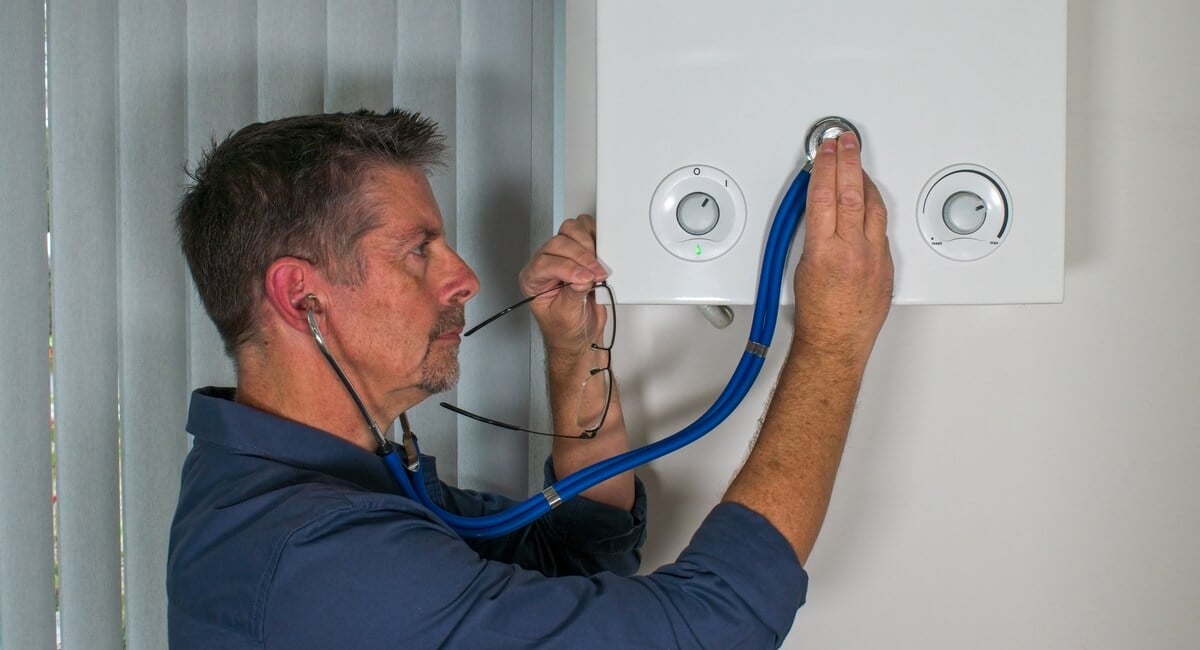
A professional home inspection is an important component of informed purchasing.
Depending on the property, additional evaluations involving roofing, structural conditions, plumbing, electrical systems, moisture intrusion or wood-destroying organisms may also be appropriate.
Buyers should understand the inspection and cancellation provisions of their purchase contract, including applicable deadlines.
Waiving or substantially limiting inspection rights can increase financial exposure and should not be treated as a routine strategy for making an offer more competitive.
Even when purchasing a property as-is, buyers should understand what they are accepting and what contractual protections remain available.
My article on the advantages and disadvantages of selling a home as-is provides additional context regarding these transactions.
6. Research the Property and Neighborhood Beyond the Showing
Whenever practical, visit the property or surrounding neighborhood at different times of the day and week.
A condominium that feels peaceful on a weekday morning may offer a very different experience on a Friday evening.
Consider investigating:
- Traffic and commuting patterns.
- Nearby construction and proposed developments.
- Parking availability for residents and guests.
- Noise from surrounding businesses, roads or entertainment venues.
- Flood exposure and local drainage conditions.
- Public transportation and pedestrian access.
- Proximity to shopping, recreation and other important destinations.
Buyers with specific educational requirements should independently review current school boundaries, enrollment requirements and relevant official school information.
Online neighborhood research can be helpful, but it should complement rather than replace your own observations and independent verification.
7. Understand Restrictions Before Purchasing
Condominium and homeowners association restrictions can significantly affect how you use and enjoy your property.
Before purchasing, review the applicable governing documents and investigate restrictions involving:
- Pets.
- Leasing and minimum rental periods.
- Guest and parking policies.
- Renovation and contractor requirements.
- Flooring and sound insulation.
- Balcony use.
- Moving procedures.
- Vehicle restrictions.
If you anticipate renting the property in the future, verify that your intended rental strategy is permitted under the applicable association documents and local regulations.
Do not rely exclusively on listing descriptions or informal statements about what is allowed.
My article on buying a home with future rental potential explains why these considerations can be important even when purchasing a primary residence.
8. Evaluate the Purchase Price Objectively
Falling in love with a property can make it difficult to evaluate its price objectively.
Before submitting an offer, review relevant comparable sales, competing listings, property condition and current market circumstances.
For condominiums, comparisons within the same building can be particularly valuable, although differences in floor level, orientation, views, renovations, parking and assessments must also be considered.
A property that has been substantially reduced from its original asking price is not automatically a bargain.
Similarly, paying the asking price is not necessarily a mistake when the price is supported by market evidence and the property meets your requirements.
The objective is to understand the value of what you are purchasing rather than simply focusing on the size of the discount you negotiate.
9. Maintain the Ability to Walk Away When Appropriate

After spending weeks searching for a property, negotiating an offer and completing inspections, buyers may feel reluctant to abandon a transaction even when significant concerns emerge.
The time and money already invested in the purchasing process should not become the primary reason for proceeding with an unsuitable property.
If new information materially changes the financial or practical implications of the purchase, reassess the decision objectively.
Depending on the circumstances, further investigation, renegotiation or cancellation under an applicable contractual right may be appropriate.
However, buyers should never assume they can cancel a signed purchase agreement at any time without consequences.
Cancellation rights, notice requirements, deadlines and potential deposit exposure depend on the executed contract and applicable law.
When necessary, obtain appropriate legal guidance before making a decision.
10. Work With a Broker Who Is Willing to Challenge Your Decision
An experienced real estate professional should do more than identify available properties and prepare offers.
Your broker should help you evaluate comparable sales, identify potential risks, investigate ownership expenses and understand the practical implications of your purchasing decision.
Equally important, you should feel comfortable discussing concerns without feeling pressured to move forward.
There have been many occasions throughout my career when advising a customer against purchasing a particular property was the most valuable service I could provide.
Finding the right home sometimes means recognizing which properties are not right for you.
Complete a Final Purchase Review Before Closing
Before completing your purchase, take the opportunity to review the major financial and practical considerations one more time.
Ask yourself:
- Am I comfortable with the property’s total monthly ownership costs?
- Will I have adequate savings remaining after closing?
- Have I investigated significant inspection findings?
- Do I understand the association’s financial condition and restrictions, where applicable?
- Have I obtained appropriate insurance information?
- Does the property still meet my most important requirements?
- Am I comfortable with the purchase without assuming future appreciation or refinancing?
- Are any significant questions or concerns still unresolved?
Also review your closing documents, final financing terms and any agreed seller obligations with the appropriate professionals.
Conduct an appropriate final walkthrough to verify the property’s condition and compliance with relevant contractual requirements.
This review is not a substitute for completing due diligence within the applicable contractual deadlines. Important concerns should be investigated as early as possible, while the relevant protections remain available.
What If You Experience Buyer’s Remorse After Closing?

Questioning a major financial decision after completing a purchase does not necessarily mean you made a mistake.
Moving, adjusting to a new environment and managing unfamiliar financial responsibilities can take time.
The first step is identifying whether your concerns involve temporary adjustment, manageable property improvements or a more significant financial or practical problem.
Give Yourself Time to Adjust
Unless an issue requires immediate attention, allow yourself an opportunity to establish routines and become familiar with your new home and neighborhood.
Some concerns may become less significant as you settle in, while others may become easier to identify and address.
Avoid making another major financial decision solely in response to the initial stress of purchasing and moving.
Separate Solvable Problems From Permanent Limitations
Many sources of dissatisfaction can be addressed through relatively manageable improvements.
Lighting, storage, furniture placement, window treatments, paint colors and minor renovations can substantially change how a property feels and functions.
Other concerns, such as location, unaffordable ownership expenses or significant association problems, may require a different approach.
Identifying the underlying cause of your dissatisfaction will help you determine whether improving the property or reconsidering your ownership plans is more appropriate.
Make the Property Your Own Without Overspending

Personalizing a home can make it feel more comfortable and better suited to your lifestyle.
However, avoid immediately committing to expensive renovations simply because you are dissatisfied with the property’s appearance.
Living in the home for a period of time may help you better understand how you use the space and which improvements would provide meaningful benefits.
Prioritize necessary repairs, financial stability and improvements that genuinely address your needs.
Put Other Real Estate Listings Into Perspective
Continuing to compare your purchase with every new listing can create unnecessary dissatisfaction.
New listings may appear more attractive without accounting for their actual condition, ownership expenses, restrictions or eventual negotiated purchase prices.
If constantly monitoring new properties is causing you to second-guess an otherwise reasonable purchase, consider temporarily pausing your listing alerts.
There is nothing wrong with remaining informed about your local real estate market. The important distinction is whether that information serves a useful purpose or simply encourages unproductive comparisons.
Evaluate Selling or Renting Only After Understanding the Financial Consequences
If the property no longer meets your needs, selling or converting it into a rental may be worth considering.
However, selling shortly after purchasing can involve significant financial consequences, including transaction expenses, market value changes, mortgage payoff requirements and potential tax implications.
Converting the property into a rental also requires careful evaluation of:
- Association and local rental restrictions.
- Mortgage occupancy requirements.
- Insurance changes.
- Expected rental income.
- Vacancy and maintenance expenses.
- Property management responsibilities.
- Tax considerations.
Neither option should be assumed to be financially viable without reviewing the actual numbers.
My South Florida Seller’s Guide and article on the costs of selling a home provide additional information about evaluating a potential sale.
When Buyer’s Remorse Involves a Serious Property or Financial Problem
Some concerns require more than patience or cosmetic improvements.
If you discover significant undisclosed property conditions, structural concerns, recurring water intrusion or ownership expenses that you cannot reasonably afford, investigate the issue promptly.
Depending on the circumstances, appropriate assistance may involve your real estate broker, lender, insurance professional, licensed contractor, engineer or real estate attorney.
Although closing generally completes the purchase, it does not necessarily eliminate every potential legal remedy involving misrepresentation, undisclosed defects or other contractual issues.
Preserve relevant documents, photographs, inspection reports and communications, and obtain qualified legal guidance when appropriate.
Make a Home Purchase You Can Feel Confident About
No property is perfect, and no purchasing decision can eliminate every possibility of future regret.
However, understanding the true cost of ownership, evaluating the property’s condition, investigating applicable restrictions and making decisions based on your long-term needs can significantly improve the quality of your purchase.
Sometimes the right decision is to purchase. Sometimes it is to continue searching or remain a renter until your circumstances change.
My article on renting versus buying in South Florida can help you evaluate those alternatives.
With nearly 30 years of real estate experience, I help buyers throughout South Florida, including Miami Beach, Surfside, Bay Harbor Islands, Bal Harbour, Sunny Isles Beach, Aventura, Brickell, Downtown Miami, Coconut Grove, Coral Gables, Pinecrest, Hallandale Beach and Hollywood.
Whether you’re purchasing your first home, relocating to South Florida, downsizing or evaluating an investment property, my objective is to help you make a decision that continues to make sense long after closing.
My South Florida Buyer’s Guide provides additional information about preparing for a purchase and navigating the real estate process.
If you have questions about a particular property or want to discuss your purchasing options, feel free to contact me directly.
This article provides general educational information and does not constitute legal, financial, tax, insurance, engineering or home inspection advice. Property conditions, contractual rights, ownership expenses and regulatory requirements vary by property and transaction.