
Conversion in progress ...
Please wait while we generate your PDF
THE SOUTH FLORIDA SELLER'S GUIDE WHAT TO KNOW BEFORE YOU SELL
Selling a property isn't just about putting it on the market and waiting for an offer. Pricing, preparation, timing, presentation and the terms of the deal can all affect what you ultimately walk away with.

1. START WITH THE RIGHT STRATEGY — NOT JUST A LIST PRICE
Before deciding what your property should sell for, you need to understand what you're actually competing against.
South Florida isn't one real estate market. Buyer demand can vary significantly from Miami Beach to Aventura, Brickell to Coconut Grove, or Coral Gables to Pinecrest. Even within the same neighborhood—or the same condominium building—floor, view, condition, layout, assessments, amenities and competing inventory can change how buyers perceive value.
That's why an automated valuation or the price your neighbor received can be useful information, but neither tells the whole story.
A good selling strategy starts by looking at your property through a buyer's eyes: What else can they purchase at this price? How does your property compare? What could make them choose yours—or pass it over?
Those answers should guide the pricing, preparation and marketing decisions that come next.

2. PRICE FOR THE MARKET YOU'RE ACTUALLY IN
Pricing is one of the most consequential decisions you'll make when selling, and the right strategy isn't simply to price high or low. It's to understand where buyers are likely to see value in your property based on the alternatives available to them right now.
Sellers naturally look at what a neighbor sold for, what they paid, what they've invested in the property, or what an online estimate says it's worth. Those can all provide context—but buyers aren't making their decision based on what you need to receive. They're comparing your property with everything else they can buy.
Starting high with the idea that you can always reduce the price later may sound harmless, but the first weeks on the market are often when a new listing receives its greatest attention. If buyers don't see the value, that early opportunity can be difficult to recreate.
The goal isn't to leave money on the table. It's to position the property where the market will respond—then use that interest to create the strongest negotiating position possible.

3. PREPARE THE PROPERTY — WITHOUT OVERDOING IT
Presentation matters. Buyers begin forming opinions before they ever walk through the door, and how a property looks online can determine whether they schedule a showing in the first place.
But preparing a property for sale doesn't mean renovating everything in sight. Some improvements can make a meaningful difference; others cost money that a seller may never recover. The key is knowing which is which.
Start with the fundamentals: address obvious repairs, declutter, clean thoroughly and make the property feel bright, well maintained and easy to imagine living in. Depending on the property and its condition, fresh paint, selective updates or staging may be worthwhile—but those decisions should be made strategically, not automatically.
Vacant properties require their own approach. Sometimes physical staging makes sense; in other cases, professional photography, thoughtful presentation or virtual staging can accomplish the goal without the expense of furnishing an entire property.
The objective isn't to make your property perfect. It's to identify what buyers in your particular market are likely to notice, what they're willing to pay for—and where spending additional money before selling simply doesn't make sense.
4. YOUR FIRST SHOWING HAPPENS ONLINE
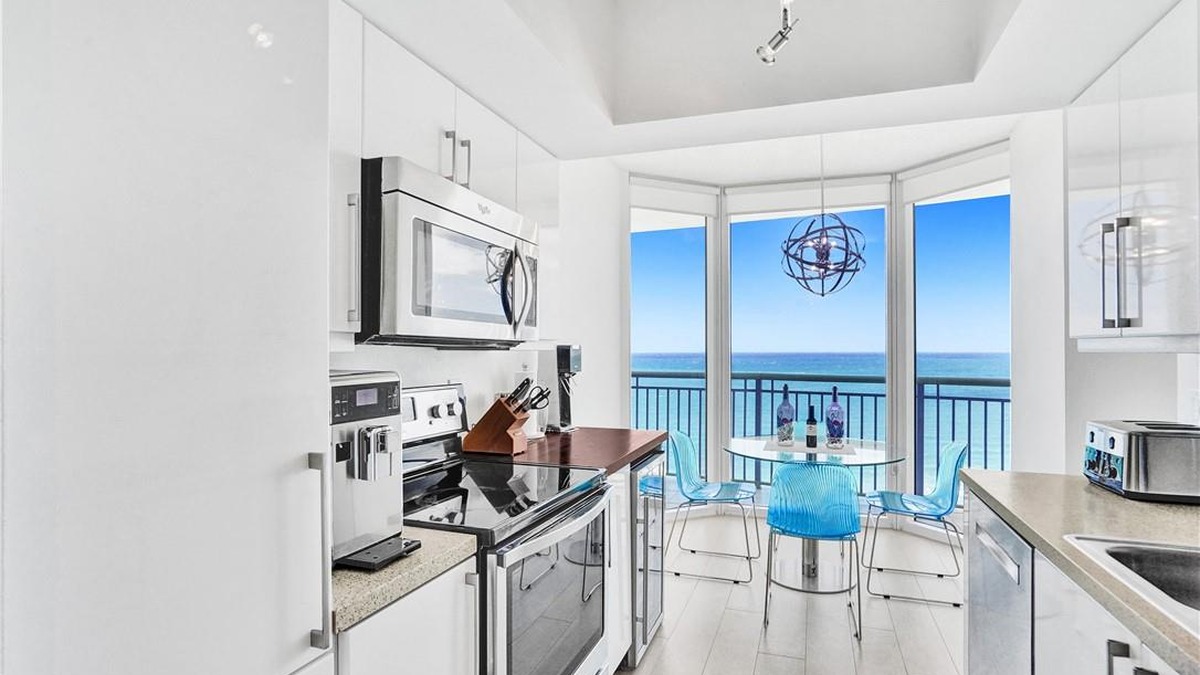
Before most buyers ever step inside a property, they've already seen it on a screen—and often decided whether it's worth seeing in person.
Professional photography isn't simply about making a property look attractive. Good real estate photography should accurately showcase the space, light, views, layout and features that make the property worth considering. The goal is to create interest without presenting something buyers won't recognize when they arrive.
The same applies to the entire online presentation. Photo selection and sequencing, listing description, floor plans, video and other marketing should work together to tell a clear story about the property and help it stand out among competing listings.
This matters at every price point. Buyers scrolling through listings make decisions quickly, and a property that doesn't present well online can be eliminated before it ever gets the opportunity to impress them in person.
You only get one chance to introduce a property to the market. Make that first impression count.

5. MAKE IT EASY FOR SERIOUS BUYERS TO SEE YOUR PROPERTY
Selling a property while you're still living in it can be disruptive. Reasonable notice matters—but so does making it accessible when qualified buyers want to see it.
Buyers are often viewing several competing properties in the same day, and some are in South Florida for only a limited amount of time. If scheduling becomes too difficult, they may simply move on to the next option.
The goal is balance: establish showing guidelines that work for you while allowing enough flexibility to accommodate serious buyers whenever reasonably possible.
When a showing is scheduled, the property should be ready. Good lighting, a comfortable temperature, open shades or blinds where appropriate, and minimal distractions can make a noticeable difference in how the space feels.
You don't have to turn your life upside down for every showing. But once your property is on the market, giving qualified buyers a reasonable opportunity to experience it at its best is part of the selling strategy.

6. THE HIGHEST OFFER ISN'T ALWAYS THE BEST OFFER
When an offer arrives, the price gets most of the attention. But the number at the top of the contract is only one part of what determines whether a deal is actually good for you.
Financing, the size of the deposit, inspection and appraisal terms, contingencies, requested credits, closing date and the buyer's ability to perform can all affect both your net proceeds and the likelihood of reaching the closing table.
A higher offer with weak financing or complicated terms may carry more risk than a slightly lower offer with stronger terms. And when multiple offers are involved, comparing them side by side becomes even more important.
The goal isn't simply to accept the biggest number. It's to understand what each offer really means—financially, practically and in terms of risk—before deciding which terms work best for you.
Getting an offer is only the beginning. The real objective is getting the right deal successfully to closing.
7. PREPARE FOR WHAT BUYERS WILL DISCOVER
Once a buyer is interested, the property itself isn't the only thing they'll evaluate. Inspections, permits, insurance, financing, association records and other due-diligence issues can all affect whether a transaction moves forward.
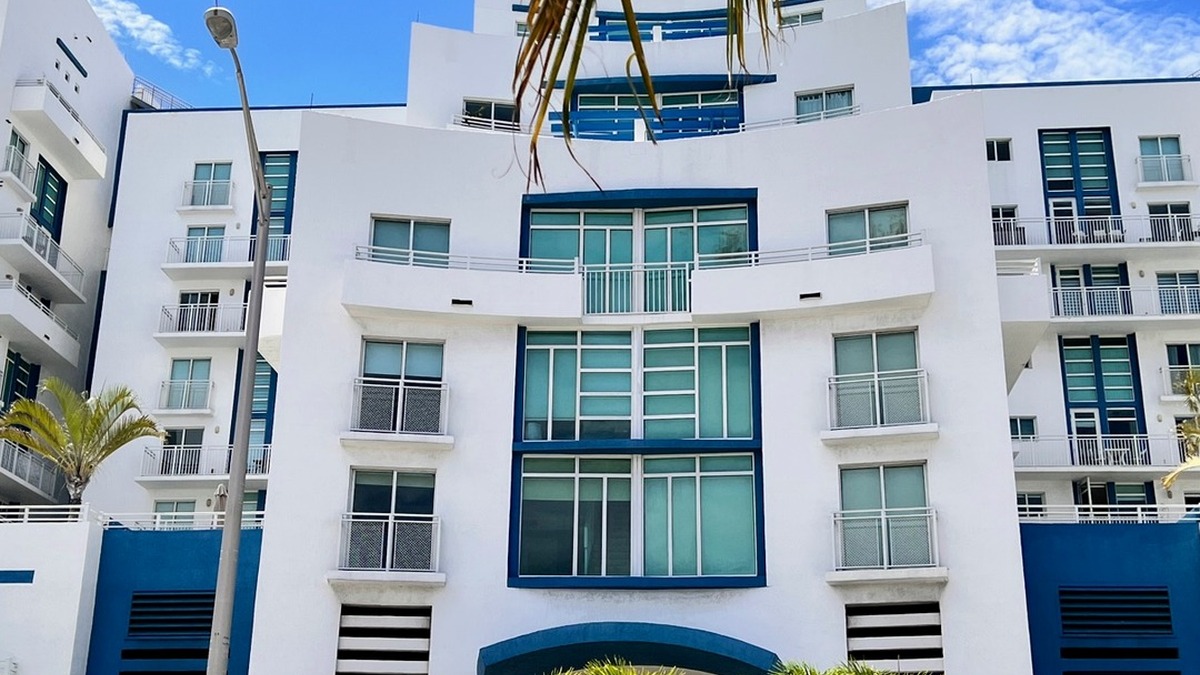
For condominium sellers in South Florida, buyers and lenders may also scrutinize the building's financial condition, reserves, assessments, insurance, milestone inspections, structural work and upcoming projects. An issue that surprises a buyer after the contract is signed can quickly become a negotiation—or put the transaction at risk.
Single-family homes have their own potential complications, from open permits and unpermitted improvements to roof age, insurance considerations and inspection findings.
You don't need to solve every possible issue before listing. But identifying potential obstacles early gives you time to decide how to address them and reduces the chance of an unpleasant surprise once you're under contract.
A smoother closing often starts long before an offer arrives.
THE RIGHT STRATEGY STARTS WITH YOUR PROPERTY
No two properties—and no two sellers—have exactly the same situation.
The right pricing, preparation, marketing and negotiation strategy depends on the property, the competition, current buyer demand and what you're trying to accomplish. That's especially true in South Florida, where market conditions can vary significantly from one neighborhood, building or property type to another.
Selling well isn't about following a generic formula. It's about understanding how buyers are likely to see your property, where it fits in the market, what may help or hurt its value, and which decisions are worth making before—and after—it goes on the market.
You don't need to renovate everything, chase an automated valuation, accept the highest offer or make every decision the way another seller did.
The right selling strategy starts with understanding your property, your market and your goals.