Miami Beach
Living in Miami Beach: Neighborhoods, Homes & Real Estate
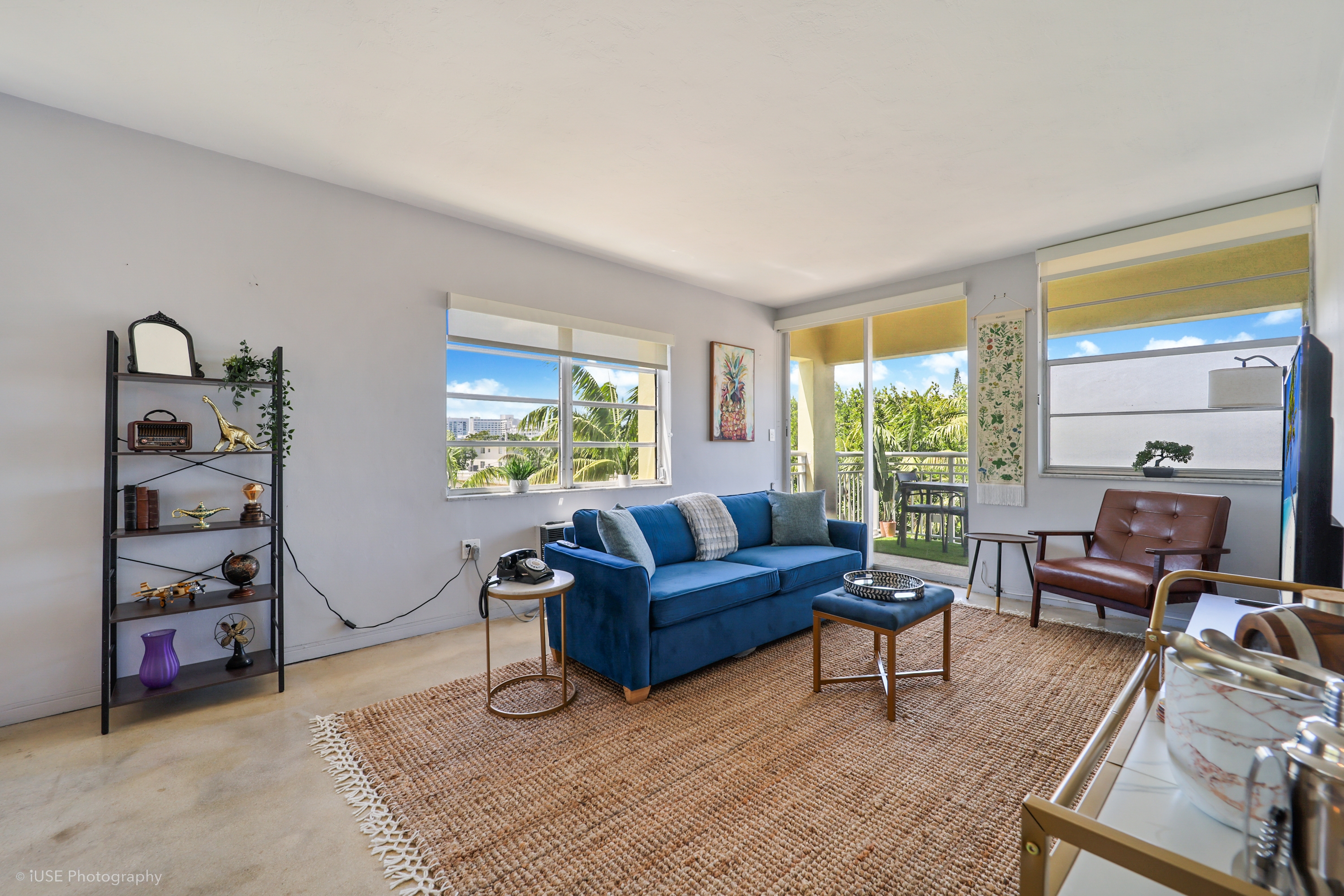
Miami Beach offers far more variety than its famous coastline might suggest. From historic Art Deco apartments and established residential neighborhoods to waterfront condominiums and single-family homes, the city has options for buyers, renters and investors with very different priorities.
The key is understanding that Miami Beach isn’t one uniform real estate market. Location, building age, property condition, amenities, association finances and rental restrictions can make a significant difference in both price and long-term ownership costs.
South Beach, Mid-Beach & North Beach: What’s the Difference?
South Beach offers a mix of historic buildings, boutique condominiums, waterfront properties and walkable neighborhoods. Areas such as South of Fifth, Flamingo Park and West Avenue each have their own character. Some buyers prioritize proximity to restaurants, beaches and entertainment, while others prefer quieter residential streets.
Mid-Beach combines oceanfront condominium living with established residential areas and single-family neighborhoods. Housing ranges from older buildings to newer developments, with differences in amenities, maintenance costs and overall lifestyle.
North Beach offers another side of Miami Beach, with residential neighborhoods, smaller condominium buildings, waterfront properties and convenient beach access. Areas such as Normandy Isles and North Shore can appeal to people looking for different housing options and a more residential setting.
Buying a Condo in Miami Beach: Look Beyond the Listing Price
In my experience, one of the biggest mistakes buyers can make is evaluating a Miami Beach condominium based primarily on its purchase price, square footage and monthly maintenance fee.
Two similarly priced condos can have very different financial implications.
Before purchasing, it’s important to understand the building’s reserves, budget, insurance, upcoming repairs, special assessments and applicable inspection requirements. Depending on the property, milestone inspections and structural integrity reserve studies may also be important parts of the review.
Rental policies matter, too. Some buildings permit shorter rental periods, while others require longer leases, limit rental frequency or impose waiting periods before an owner can rent.
These details can affect affordability, financing, resale potential and how you ultimately use the property.
Buying, Renting or Investing in Miami Beach
Whether you’re searching for a primary residence, seasonal home, investment property or annual rental, the right choice depends on more than the neighborhood.
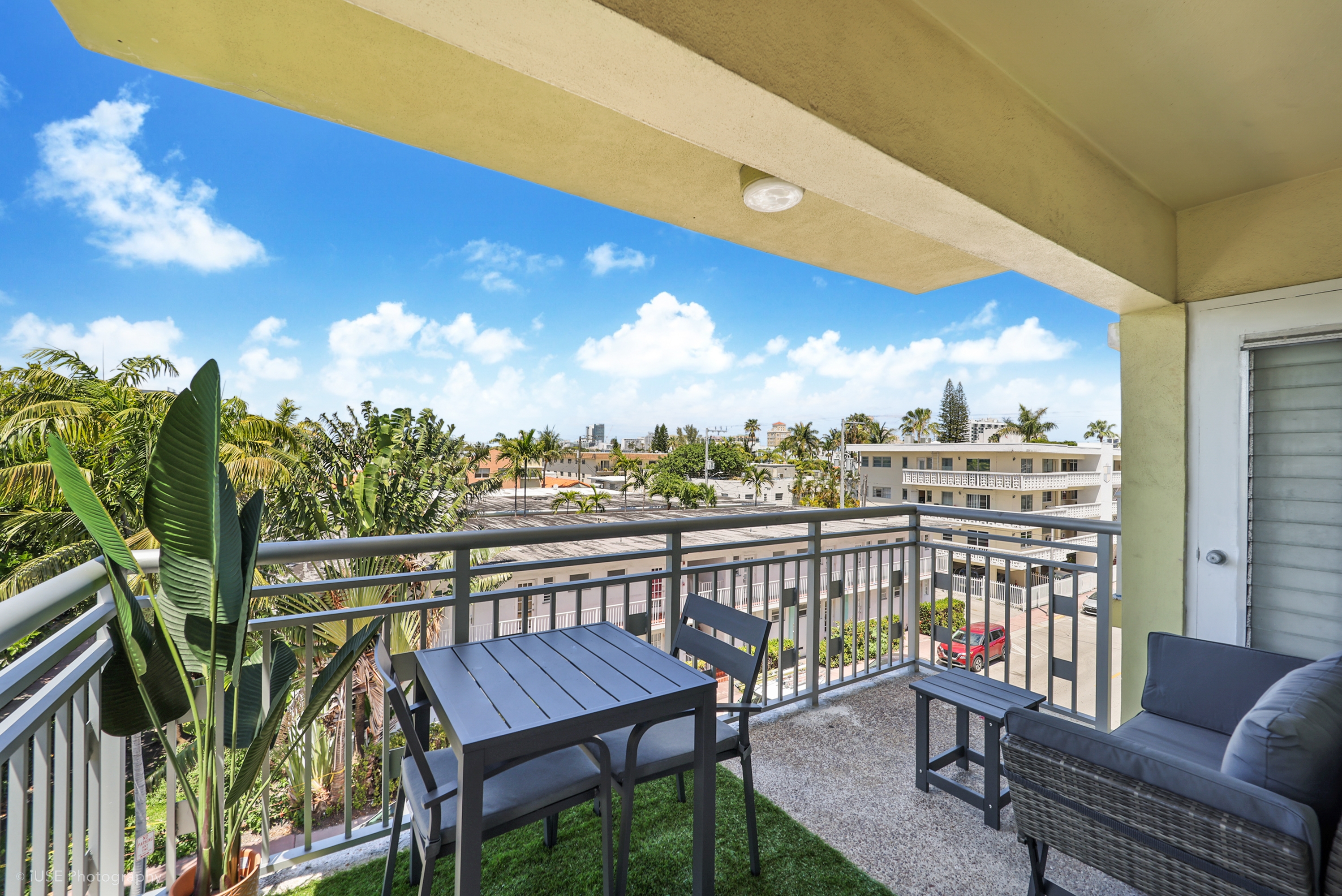
Parking, pet policies, laundry facilities, building amenities, rental regulations and recurring expenses can all influence whether a property is a good fit. Waterfront views, building condition and even the location of a unit within a building can also create meaningful differences in value.
For sellers, those same details help determine how a property should be priced and positioned against competing listings.
Local Knowledge Makes a Difference
I’ve worked in South Florida real estate for nearly 30 years, and Miami Beach has been a central part of my business. My approach is straightforward: understand what matters to you, look carefully at the property and the numbers, and help you make a decision with your eyes open.
Whether you’re buying your first condo, selling a longtime property, searching for a rental or evaluating an investment, I’m happy to help you understand your options.
View The Area