

Buying a home is one of the most significant financial decisions you’ll make. Unfortunately, some of the advice you’ll receive along the way may be outdated, overly generalized or simply inaccurate.
After nearly 30 years in real estate, I’ve encountered many prospective buyers who delayed purchasing a property because of assumptions that weren’t necessarily applicable to their circumstances.
At the same time, buying a home isn’t something anyone should feel pressured into doing. Understanding the financial commitment, evaluating the property carefully and making an informed decision are far more important than rushing into homeownership.
Whether you’re considering your first condominium in Miami Beach, a residence in Aventura or a single-family home in Pinecrest, here are seven common home buying myths worth reconsidering.

Myth 1: You Need a 20% Down Payment to Buy a Home
One of the most persistent misconceptions about buying real estate is that you must save at least 20% of the purchase price before you can qualify for a mortgage.
For someone considering a $400,000 property, that would mean accumulating $80,000 for the down payment alone.
The Reality
Qualified buyers may have access to mortgage programs requiring considerably smaller down payments.
Depending on eligibility, financing options may include:
- Certain conventional mortgage programs requiring as little as 3% down.
- FHA-insured mortgages requiring as little as 3.5% down.
- VA loans offering eligible borrowers financing without a down payment.
- Down payment assistance programs for qualifying purchasers.
For example, on a $400,000 purchase, a 5% down payment would represent $20,000 rather than $80,000.
However, the down payment is only one component of the financial commitment. Buyers also need to account for closing costs, prepaid expenses, insurance, potential repairs and sufficient financial reserves after closing.
Smaller down payments may also involve mortgage insurance, higher monthly payments and less initial equity.
In South Florida’s condominium market, financing deserves particular attention. Even when a buyer qualifies for a low-down-payment mortgage, the condominium building itself must satisfy the applicable lending requirements. Some buildings may require substantially different financing arrangements or larger down payments.
Before ruling out homeownership based on the amount you’ve saved, speak with a qualified mortgage professional about the options available for your circumstances and the type of property you’re considering.
The Consumer Financial Protection Bureau’s down payment guide provides additional information about evaluating your available funds and financing options.
Myth 2: Your Credit Score Must Be Perfect
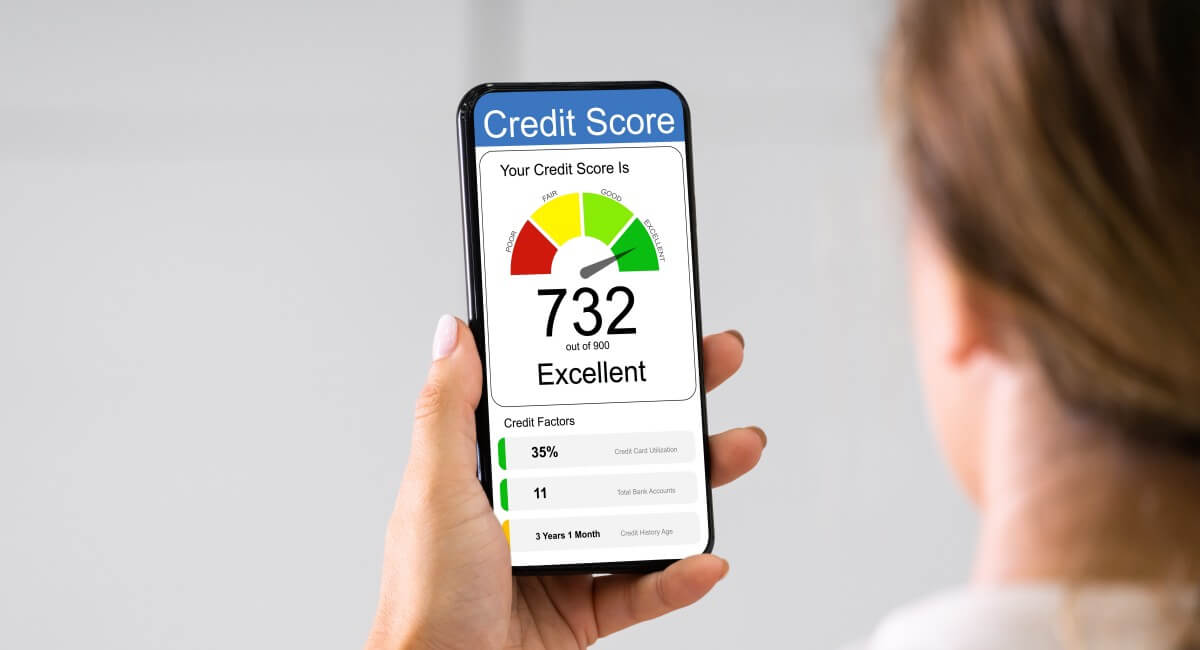
Many prospective buyers assume that student loans, credit card balances, previous credit problems or self-employment income automatically disqualify them from obtaining a mortgage.
While your financial history matters, mortgage qualification is rarely determined by one factor alone.
The Reality
Mortgage lenders evaluate a combination of factors, including:
- Credit history and applicable credit scores.
- Income and employment documentation.
- Existing monthly debt obligations.
- Available savings and financial reserves.
- Down payment amount.
- Property type and intended occupancy.
- Requirements of the specific mortgage program.
Different mortgage programs have different qualification standards. FHA financing, for example, may accommodate borrowers with credit profiles that do not qualify for certain conventional mortgage programs.
Self-employed buyers, business owners and individuals with nontraditional income may also have alternative financing options, although these can involve different documentation requirements, interest rates, costs and down payments.
Having existing debt does not automatically prevent you from purchasing a home. What matters is how your overall financial circumstances align with the lender’s underwriting requirements.
However, qualifying for a mortgage and being financially comfortable with its monthly payment are two different things.
I generally recommend that buyers establish a realistic personal budget before determining how much they are willing to spend, rather than treating the maximum amount a lender will approve as their purchasing budget.

Myth 3: You Should Wait Until Mortgage Rates Drop or the Market Improves
Many buyers postpone purchasing because they expect interest rates to decline, property prices to fall or housing inventory to improve.
Sometimes waiting is the appropriate decision. However, trying to predict several market variables simultaneously can be challenging.
The Reality
A decline in mortgage rates does not necessarily mean that buying a home will become less expensive overall.
Lower borrowing costs may attract additional purchasers, increase competition and potentially reduce negotiating opportunities. Conversely, higher rates may limit buyer demand in certain market segments and create opportunities for qualified purchasers.
These relationships are not guaranteed. Housing prices, inventory, financing costs and buyer demand can move independently.
South Florida is particularly difficult to evaluate as one uniform real estate market. A condominium in Sunny Isles Beach may experience very different conditions from a single-family home in Coral Gables or a waterfront residence in Hollywood.
Rather than relying exclusively on forecasts, evaluate:
- Your current housing expenses.
- Your anticipated length of ownership.
- The total monthly cost of purchasing.
- Available inventory in your preferred neighborhoods.
- Recent comparable sales.
- Current negotiating opportunities.
- Your financial ability to accommodate unexpected expenses.
Buying today with the expectation of refinancing later can be risky. Future interest rates, property values and refinancing eligibility cannot be guaranteed.
A purchase should make financial sense under the financing terms available when you buy.
Sometimes the right decision is to purchase now. Sometimes continuing to rent or waiting until your circumstances improve is the better financial choice.

Myth 4: Spring and Summer Are Always the Best Times to Buy
Much of the conventional advice about housing seasonality is based on national market patterns. Those patterns do not necessarily reflect the dynamics of South Florida.
The Reality
South Florida attracts a diverse range of purchasers, including local households, seasonal residents, international buyers, investors, retirees and relocating professionals.
These groups do not necessarily follow the same purchasing schedules.
Seasonal activity can vary considerably between coastal condominium markets, suburban single-family neighborhoods and traditional investment property markets.
Winter may bring additional seasonal buyers to certain coastal communities, while other neighborhoods may experience increased activity during different periods of the year.
Buying during a less active period may sometimes provide greater negotiating leverage. However, it may also mean fewer available properties from which to choose.
Rather than assuming that a particular month offers the best opportunities, focus on the conditions affecting your specific property search.
Inventory levels, recent sales, days on market, seller motivation and competing listings are often more useful indicators than the calendar alone.

Myth 5: You Have to Stay in Your Home Forever
Buying a property is a significant commitment, but it does not mean you must remain in the same home indefinitely.
Career opportunities, family circumstances, lifestyle preferences and financial priorities can all change over time.
The Reality
The more important consideration is whether your anticipated ownership period makes financial sense given the costs of buying, owning and eventually selling the property.
Those costs may include:
- Mortgage interest and financing expenses.
- Purchase and sale closing costs.
- Property taxes and insurance.
- Condominium or homeowners association dues.
- Maintenance and capital improvements.
- Brokerage compensation when selling.
- Potential special assessments.
There is no universal five-year ownership period that guarantees a profitable sale. Property values can rise or fall, and transaction expenses vary considerably.
If you anticipate relocating within a relatively short period, continuing to rent may provide greater financial flexibility.
Another potential option is retaining the property as a rental investment after moving. However, this requires evaluating rental income, operating expenses, financing obligations and any applicable association rental restrictions.
Not every South Florida condominium can be rented immediately or on the schedule its owner would prefer.
Understanding your potential exit strategy before purchasing can help you make a more informed decision.
For a better understanding of these expenses, read my article on the hidden costs of selling a home in South Florida.
Myth 6: All South Florida Condominiums Are Risky Purchases
Building inspections, special assessments, rising association fees and condominium financing challenges have understandably caused some prospective buyers to reconsider purchasing a condominium in South Florida.
These are legitimate concerns, but they should not automatically disqualify every condominium from consideration.
The Reality
Condominium buildings can differ substantially in their physical condition, financial stability, management, insurance coverage and long-term maintenance requirements.
Two similarly priced residences in neighboring buildings may represent very different ownership costs and financial risks.
Before purchasing a condominium, important considerations may include:
- Association budgets and financial statements.
- Reserve funding and reserve studies.
- Milestone inspection reports and structural inspection requirements, where applicable.
- Existing or proposed special assessments.
- Planned building improvements and maintenance projects.
- Master insurance coverage.
- Pending litigation or significant unresolved claims.
- Mortgage financing eligibility.
- Rental restrictions and association approval requirements.
A newer building is not automatically a better purchase, just as an older building is not necessarily a poor investment.
A well-maintained older condominium with responsible management and adequate financial planning may deserve serious consideration. Conversely, an attractive residence in a building with unresolved financial or structural issues may expose a purchaser to substantial future expenses.
The objective is not to avoid every potential risk. It is to understand the risks, evaluate their financial implications and determine whether the property represents appropriate value.
I’ve put together a comprehensive guide to buying a condo in South Florida that explains many of the issues purchasers should investigate before committing to a property.
Myth 7: The Asking Price Is What You Should Expect to Pay
Some buyers assume that a property’s asking price represents its established market value or that making an offer below that price is inappropriate.
Others assume that every seller will accept a substantial discount simply because a property has been on the market for an extended period.
Neither assumption is necessarily correct.
The Reality
An asking price reflects what the seller is seeking. It does not automatically establish what the property is worth or what the seller will ultimately accept.
Determining an appropriate offer requires evaluating factors such as:
- Recent comparable closed sales.
- Current competing properties.
- Listing history and previous price adjustments.
- Property condition and anticipated improvement expenses.
- Association fees and special assessments.
- Seller motivation, when known.
- Market activity within the property’s specific price range.
- Financing and contractual terms.
In some circumstances, a well-priced property may justify an offer at or above the asking price. In others, comparable sales and market conditions may support a meaningfully lower offer.
Negotiating opportunities are not limited to the purchase price. Depending on the transaction, buyers may also negotiate closing cost contributions, repairs, credits, assessment obligations, closing dates and other contractual terms.
An effective negotiation strategy considers the total financial commitment and the property’s underlying value, rather than focusing exclusively on obtaining the largest possible discount.
Paying less than the asking price does not necessarily mean you received a good deal. Likewise, paying the asking price does not necessarily mean you overpaid.
Understanding the difference requires a property-specific analysis.
What Should You Consider Before Buying a Home in South Florida?
Before beginning your property search, take time to establish a realistic understanding of your financial circumstances, preferred neighborhoods and long-term objectives.
Some important questions include:
- What monthly housing expense am I genuinely comfortable with?
- How much cash will I need for the down payment, closing costs and financial reserves?
- How long do I realistically anticipate owning the property?
- What are the estimated property taxes and insurance costs following my purchase?
- Are there association fees, special assessments or other potential ownership expenses?
- Does the property meet my lifestyle needs and longer-term financial objectives?
- How does the property compare with other available opportunities?
In Florida, the current owner’s property tax bill may not accurately reflect what a new purchaser will pay following a change of ownership. Buyers should obtain an appropriate estimate rather than relying exclusively on the taxes shown in the listing.
Similarly, insurance costs, condominium association fees and maintenance requirements should be evaluated alongside the mortgage payment.
Frequently Asked Questions
Can I buy a home in South Florida with less than 20% down?
Yes. Qualified purchasers may have access to conventional, FHA, VA or other financing programs requiring less than 20% down. Eligibility depends on the borrower, loan program, property type and applicable lending requirements.
Do I need perfect credit to qualify for a mortgage?
No. Mortgage qualification depends on several factors, including credit history, income, existing debt, available funds and the specific loan program. A qualified mortgage professional can help you evaluate your options.
Should I wait for mortgage rates to decline before buying?
Not necessarily. Waiting may be appropriate for some buyers, but future mortgage rates, property prices and market conditions are uncertain. Evaluate the financial implications of purchasing under current conditions rather than relying on a future refinancing opportunity.
Is it better to rent or buy in South Florida?
The answer depends on your anticipated ownership period, housing expenses, available savings, property type and financial objectives. Renting may provide greater flexibility, while purchasing may offer long-term benefits when the financial circumstances are appropriate.
Is buying an older condominium in South Florida a bad idea?
Not automatically. The building’s physical condition, reserve funding, financial management, insurance, inspection history and anticipated expenses are more meaningful considerations than age alone.
Can I negotiate the price of a home in South Florida?
Yes. Negotiating opportunities depend on comparable sales, competing inventory, seller circumstances and the overall terms of the proposed transaction. A well-supported offer should reflect the property’s market value and your financial objectives.
Making an Informed Home Buying Decision
Purchasing real estate should be based on reliable information, realistic financial expectations and a clear understanding of the property you’re considering.
It should not be driven by pressure, fear of missing out or generalized advice that may have little relevance to your individual circumstances.
As an Associate Broker with OWN Realty and nearly 30 years of real estate experience, I work with first-time buyers, experienced homeowners and investors throughout South Florida, from Pinecrest, Coral Gables and Coconut Grove through Miami Beach, Brickell, Aventura, Hallandale Beach and Hollywood.
My role is to help you understand the market, evaluate available opportunities, identify potential risks and negotiate effectively when the right property comes along.
If you’re considering purchasing a property, even if you’re still in the early stages of exploring your options, feel free to contact me directly to discuss your questions and objectives.
Sometimes the right advice is to move forward. Sometimes it’s to wait. Either way, you deserve to make that decision with a clear understanding of your options.
This article provides general real estate information and is not intended as financial, legal, tax or mortgage advice. Financing programs, eligibility requirements and property-specific circumstances vary. Consult qualified professionals regarding your individual situation.
Alexis Zdanow
Associate Broker | OWN Realty
Move With Alexis